

Exploratory Seminar
Inhabiting the Earth Differently
From the cosmos to living ecosystems: keys to navigating crises and acting together
With Brian Swimme and Gauthier Chapelle
Tuesday, 29 September 2026 – from 9 a.m. to 5 p.m.
From the origins of the Universe to the ecosystems that surround us, we are the heirs of a story shaped by transformations, ruptures, interactions and successive emergences.
At a pivotal moment in human history — the time of the Anthropocene — the great story of the cosmos and of Life can offer us new perspectives: on our place in the world, on the relationships that connect us to other forms of life, and on the ways we might move forward within the polycrisis.
This day will help us dive into Deep Time. It will open a space for exploration to revisit our narratives, develop an expanded understanding, and discover how the evolutionary principles of Life (interdependence, adaptation, emergence, etc.) can inspire new ways of acting together despite fluctuations.
What can the upheavals and major extinctions that have marked the history of the Earth and the Universe teach us?
How do living systems navigate periods of rupture and give rise to new forms of organisation, diversity and creativity?
How can these insights strengthen our capacity to build local resilience and mutual support within our communities?
Led by Gauthier Chapelle and cosmologist Dr. Brian Thomas Swimme, this immersive day will weave together three complementary perspectives:
The great story of the Universe, which invites us to situate our existence within a cosmic history shaped by transformations, emergences and continual renewal;
The teachings of living systems, which can inspire concrete approaches for cultivating robustness, cooperation and mutual support within our social structures;
The systemic approach, which helps us understand the relationships, interaction loops and complex dynamics that shape our worlds.
Between cosmic narratives, collective exchanges and an exploration of the principles of Life, this day will offer a space to connect the depth of deep time with the very concrete challenges of our local territories.
Who is this seminar for?
This day is intended for those who feel the need to connect intellectual understanding, embodied experience and collective action:
people aware of the urgency and engaged in ecological and social transition;
professionals in education, facilitation and accompaniment;
field actors seeking to strengthen cooperation and local resilience;
facilitators of the Deep Time Walk;
anyone interested in cosmology and in the connections between the evolution of the Universe, the emergence of life and our ways of inhabiting the Earth.
How will the day be organised?
09:00 | Welcome
09:30 – 13:00 | The Deep Time Walk revisited: from Cosmic Birth to Terrestrial Life
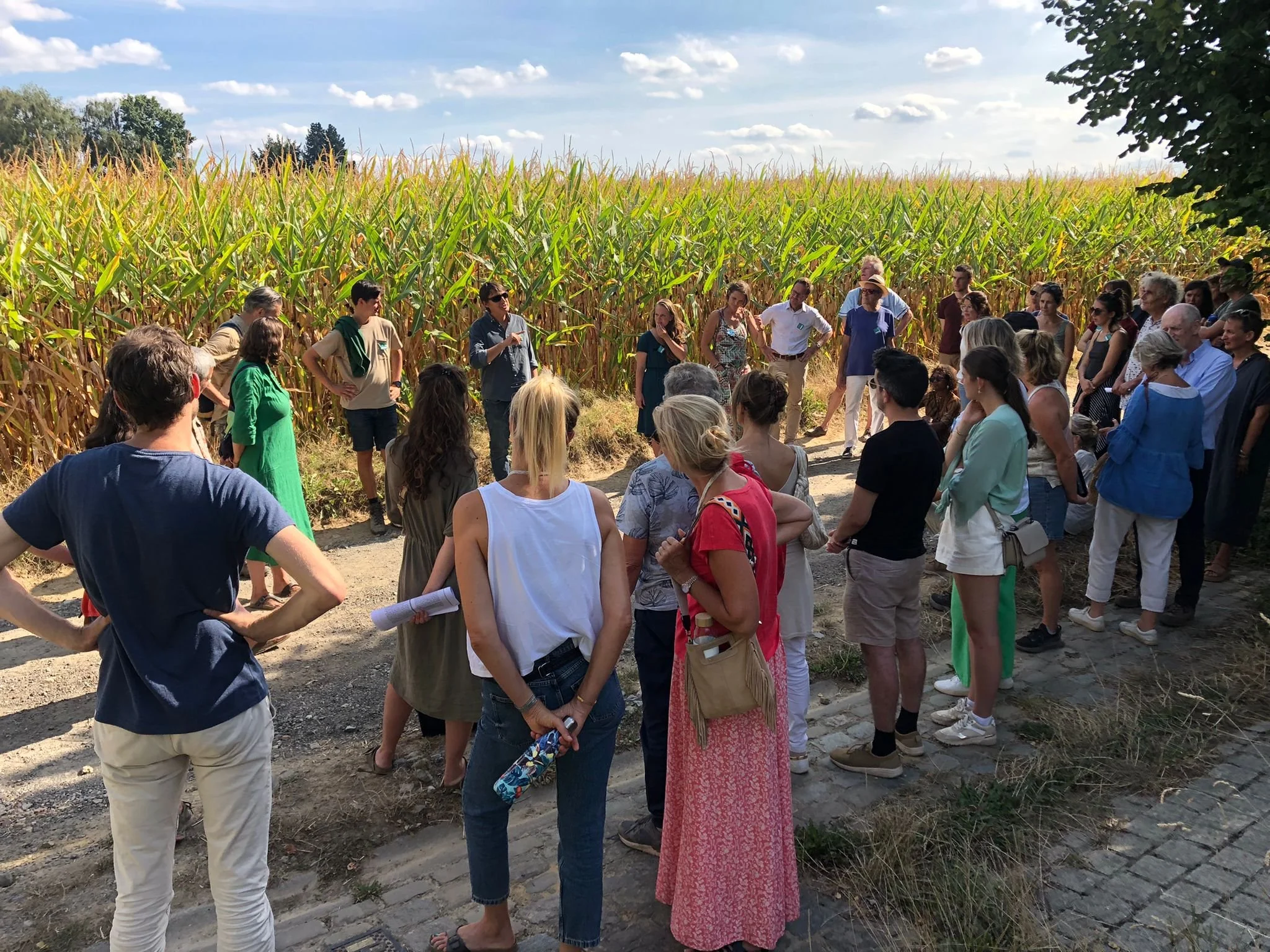
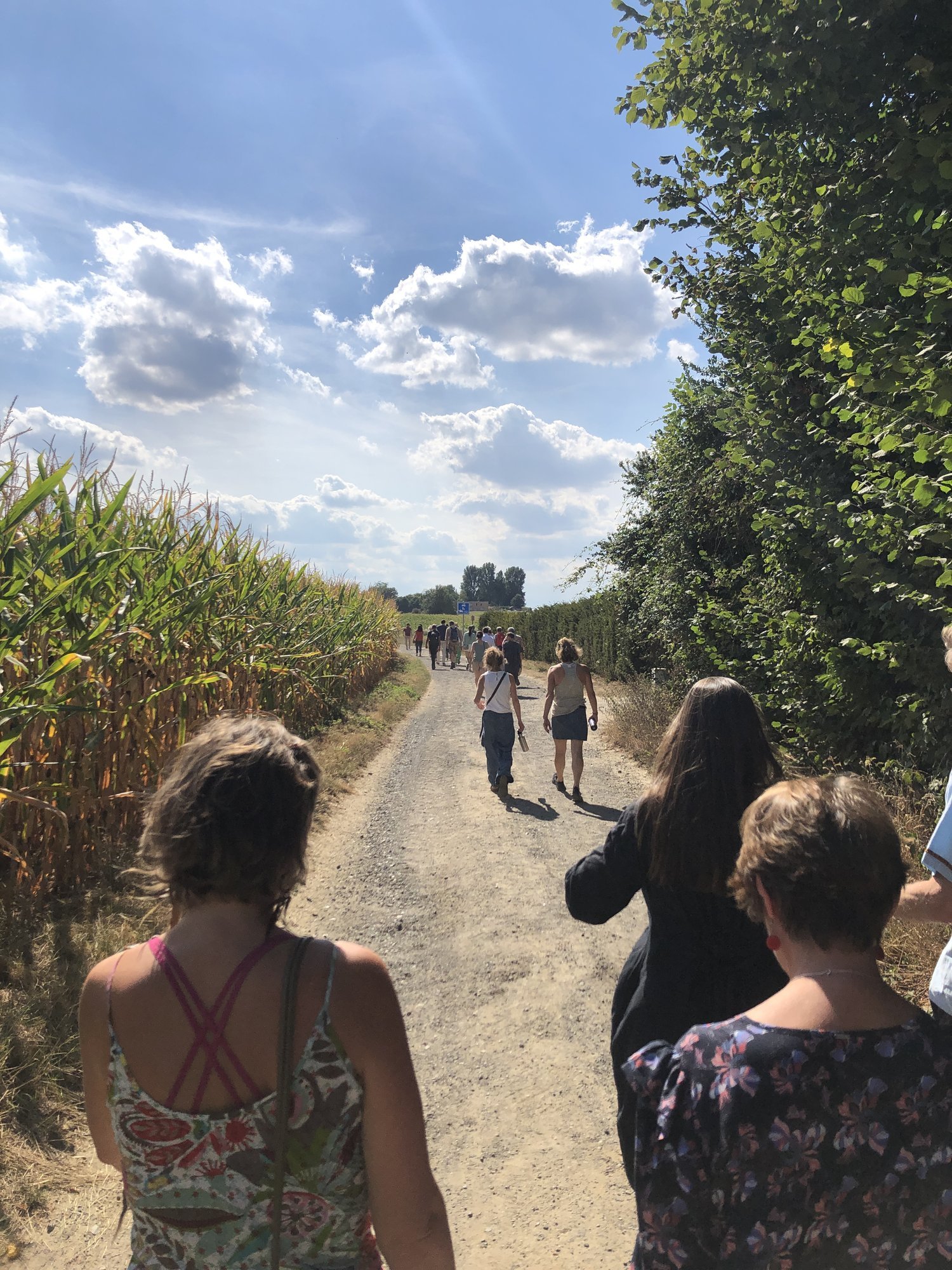
We invite you to a revisited Deep Time Walk, beginning at the origins of the Universe 14 billion years ago. Brian Swimme will guide us through an expanded timeline, starting well before the formation of the Earth. Upon arriving on our planet and reaching the emergence of human history, Gauthier Chapelle will offer echoes and insights, grounding this vast cosmic narrative in biological reality.
13:00 – 14:00 | Lunch
14:00 – 17:00 | Regenerating our human cultures
Back at the heart of L’Arbre qui Pousse, the perspective shifts from macrocosm to microcosm. Gauthier Chapelle will guide the group through a practical and interactive session. Inspired by the Story of the Universe, we will address contemporary crises directly — ecological collapse, climate anxiety and social fragmentation. How do we build regenerative systems? How can biomimicry and community resilience help us act effectively? Gauthier will propose concrete pathways to put this deep philosophy into practice, while Brian will bring a cosmic perspective, connecting our everyday gestures to the great evolutionary flow.
16:00 - 17:00 | Closing
SPEAKERS
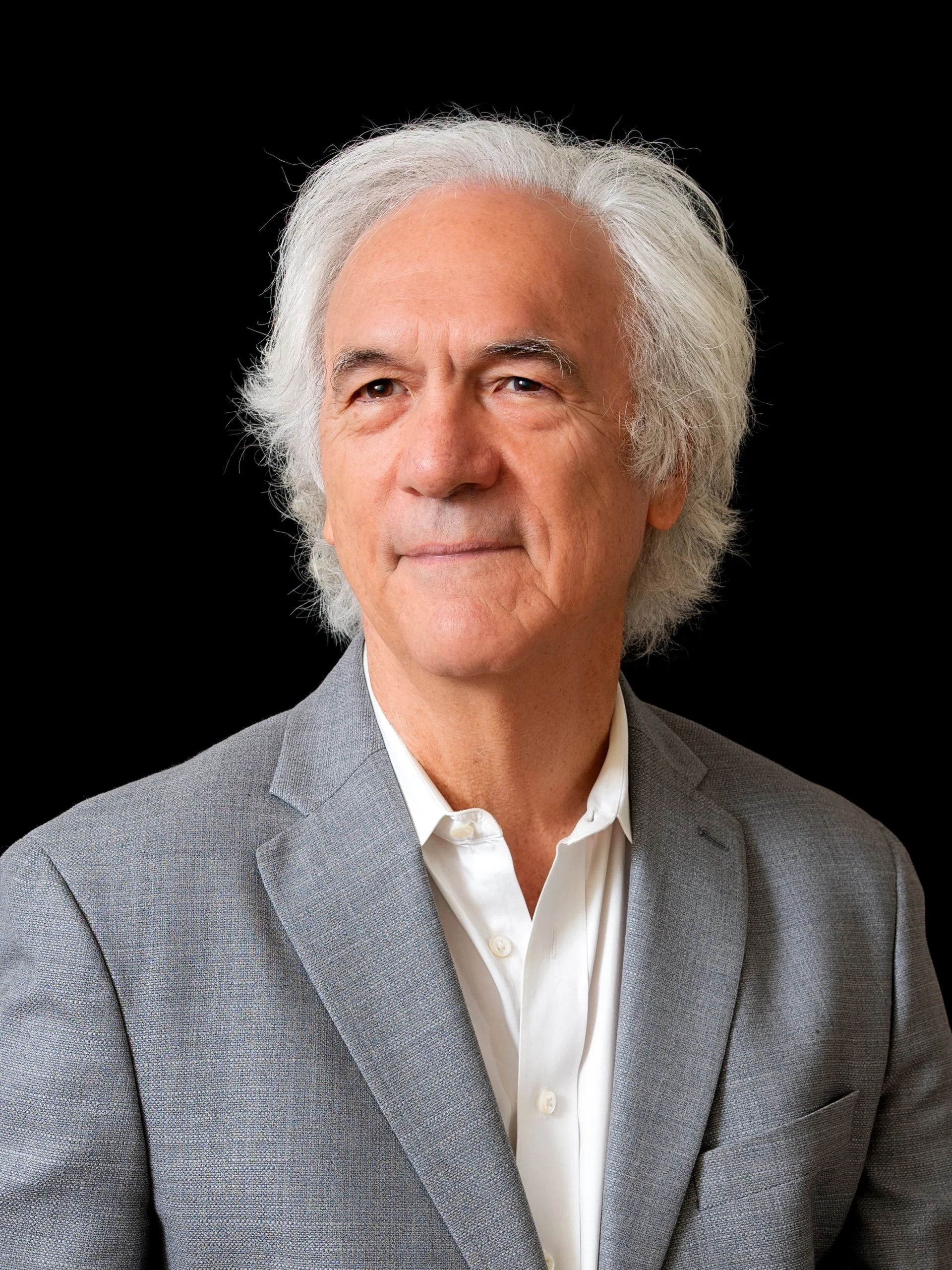
Dr. Brian Thomas Swimme is an evolutionary cosmologist and author of Cosmogenesis: An Unveiling of the Expanding Universe. His work explores the cultural, ecological and spiritual implications of contemporary evolutionary cosmology, following in the lineage of Pierre Teilhard de Chardin and cultural historian Thomas Berry.
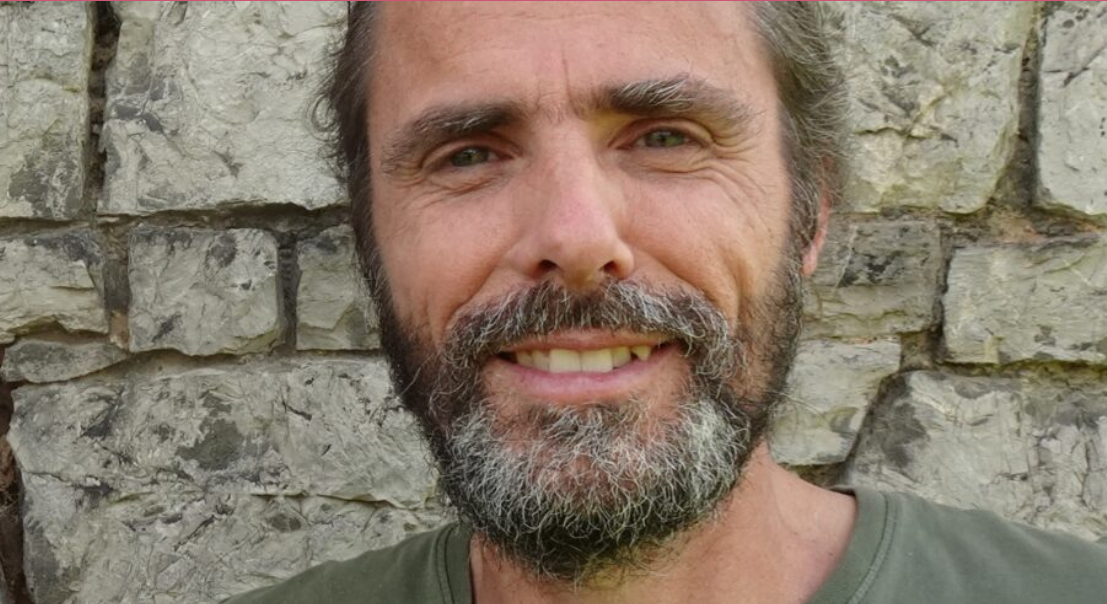
Gauthier Chapelle is a biologist, author and researcher in biomimicry and socio‑ecological transition. His work focuses on mutual aid and on grounding systemic scientific and psychological insights in local community resilience in the face of systemic and ecological collapse;
Practical informations
Schedule of the day
9:00 – Welcome at L’Arbre qui Pousse
9:30 – Start of the walk
17:00 – Expected end at L’Arbre qui Pousse, Chemin du Griffon 1 – 1340 Ottignies
Please bring: a water bottle, a packed lunch, something to write with, and clothing and shoes suitable for the weather.
Important: this workshop will take place mainly in English. It is therefore preferable to have a good understanding of the language in order to fully benefit from the day’s content.
Address: Chemin du Griffon 1, 1340 Ottignies‑Louvain‑la‑Neuve - Access Map
Access :
By bike: you can lock your bicycle on site.
By train and on foot: Ottignies station — go up to the footbridge (from the platforms) and follow this route (25 min).
By car: park near the barn or close to the farm on Rue du Corbeau. As parking spaces are limited, and in order to respect nature as much as possible, please prioritise carpooling. Here is a link to help you find people to carpool with.
FEES
Sprout: €90€ (fair price)
Tree: 120€ (supporting price that helps others join
Seed: 60€ (solidarity price, or AqP member – 10 places available)
If you would like to attend the conference, tickets are sold separately..
Payment information for the workshop:
Schumacher Sprouts ASBL
BE74 3631 9464 6607
BIC : BBRUBEBB
“ When humans find themselves surrounded by nothing but objects, the response is always one of loneliness “- Dr Brian Swimme